Technical SEO for Small Businesses: A Practical Checklist
6 February 2026

Technical SEO for Small Businesses: A Practical Checklist
In today’s digital landscape, having a robust online presence is crucial, especially for small businesses in competitive areas like Manchester and Middleton. Technical SEO forms the foundation of your online strategy, ensuring that search engines can crawl, index, and rank your website effectively. This article provides a practical checklist to help small businesses enhance their technical SEO efforts.
Table of Contents
- 3.1 Website Performance
- 3.2 Mobile-Friendliness
- 3.3 Secure Sockets Layer (SSL)
- 3.4 XML Sitemap
- 3.5 Robots.txt File
- 3.6 Structured Data Markup
- 3.7 Canonical Tags
- 3.8 404 Pages and Redirects
Understanding Technical SEO
Technical SEO refers to optimising your website and server to help search engine spiders crawl and index your site more effectively. Unlike content SEO, which focuses on optimising content for keywords, technical SEO ensures that your website meets technical requirements set by search engines like Google.
The Importance of Technical SEO
For small businesses, implementing effective technical SEO can lead to improved search engine rankings, increased website traffic, and ultimately higher conversions. In Manchester and Middleton, where many small businesses compete for local visibility, neglecting technical SEO could hinder your growth potential.
Technical SEO Checklist
Website Performance
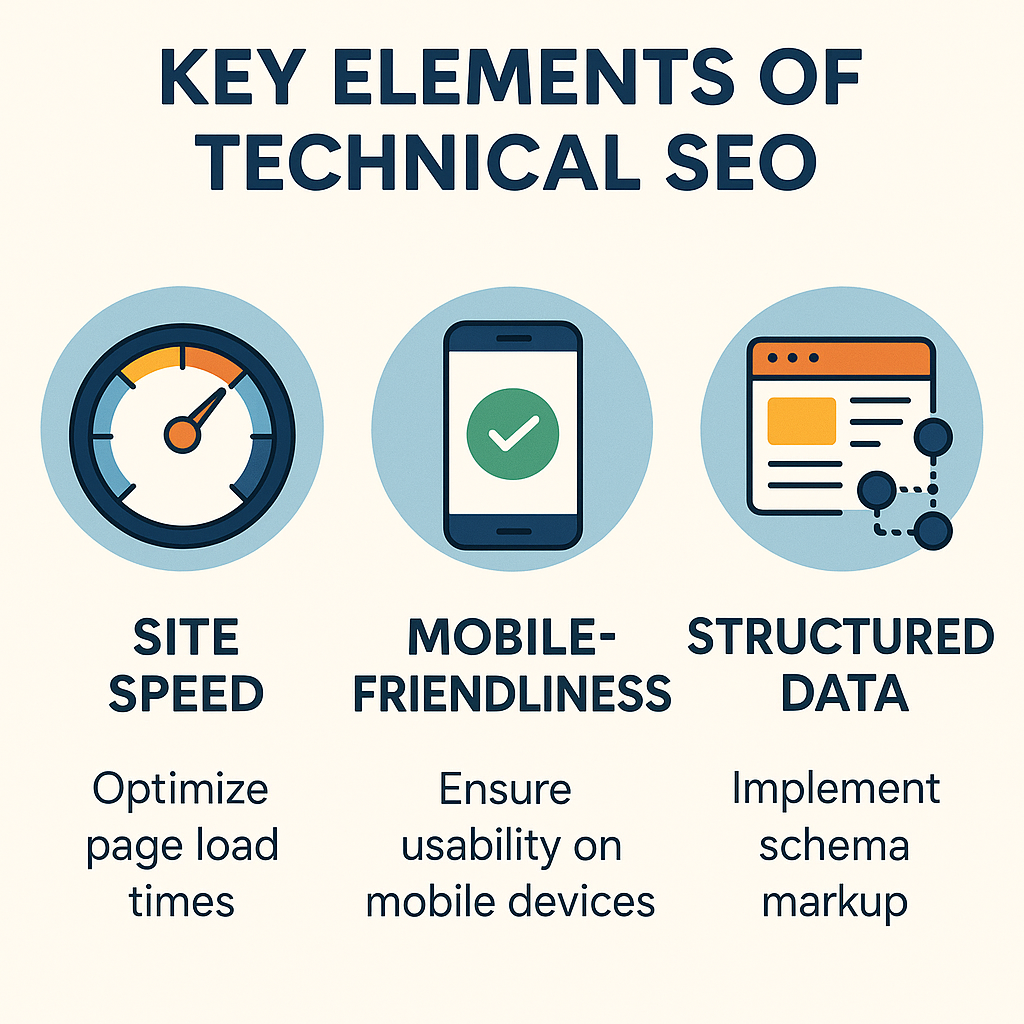
- Page Speed: Use tools like Google PageSpeed Insights to analyse your website’s loading speed. Aim for a load time of under 3 seconds to enhance user experience and reduce bounce rates.
- Image Optimisation: Compress images without sacrificing quality. Tools like TinyPNG can help reduce file sizes.
Mobile-Friendliness
- Responsive Design: Ensure your website is mobile-friendly. Google’s Mobile-Friendly Test can help you check this.
- Viewport Settings: Use appropriate viewport settings in your HTML to ensure correct scaling on mobile devices.
Secure Sockets Layer (SSL)
- HTTPS Protocol: Switch your site to HTTPS to secure your users' data and improve your search rankings. Google prioritises secure sites.
XML Sitemap
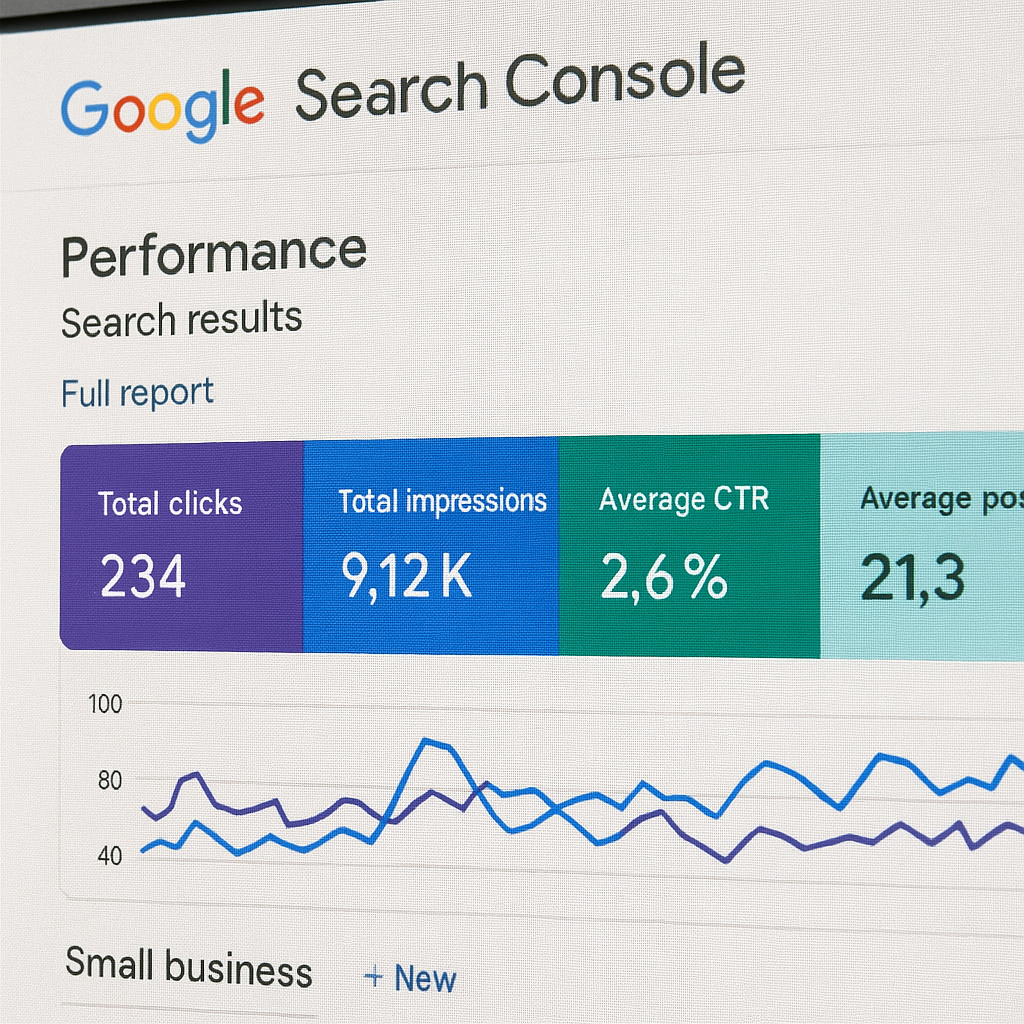
- Create and Submit: Generate an XML sitemap and submit it through Google Search Console. This helps search engines understand your site structure and find your pages more easily.
Robots.txt File
- Configure Properly: Ensure your robots.txt file is correctly configured to allow search engines to crawl your site while blocking irrelevant pages.
Structured Data Markup
- Implement Schema Markup: Use Schema.org to add structured data to your website. This helps search engines understand your content better and can enhance your visibility in search results.
Canonical Tags
- Avoid Duplicate Content: Use canonical tags to inform search engines about the preferred version of a page when duplicate content exists.
404 Pages and Redirects
- Custom 404 Page: Create a custom 404 page to guide users back to relevant content when they encounter a broken link.
- 301 Redirects: Use 301 redirects for any moved or deleted pages to maintain link equity and provide a seamless user experience.
Key Takeaways
| Key Aspect | Importance |
|---|---|
| Website Performance | Improves user experience and SEO rankings |
| Mobile-Friendliness | Essential for accessibility and SEO |
| SSL | Enhances security and trust |
| XML Sitemap | Aids in site indexing by search engines |
| Robots.txt | Controls search engine access to your site |
| Structured Data | Improves search visibility and CTR |
| Canonical Tags | Prevents duplicate content issues |
| 404 Pages and Redirects | Retains traffic and improves user experience |
FAQs
What is technical SEO?
Technical SEO involves optimising your website's infrastructure to help search engines crawl and index your site effectively.
Why is technical SEO important for small businesses?
It helps improve search engine rankings, enhances user experience, and increases website traffic, crucial for competing in local markets like Manchester and Middleton.
How often should I perform a technical SEO audit?
Conduct a technical SEO audit at least once every six months or whenever you make significant changes to your website.
Where can I learn more about SEO?
You can refer to resources like Google Search Central, MDN Web Docs, and web.dev for in-depth SEO knowledge.
Next Steps
Implementing technical SEO is just the beginning. For a more comprehensive approach tailored to your business needs, consider reaching out to us at Quantaum. You can also explore our web development services to further enhance your online presence.
Related insights
Ready to grow traffic?
Quantaum helps UK businesses build fast, secure websites that rank and convert. Let’s talk.
Contact Quantaum →