Technical SEO for Small Businesses: A Practical Checklist
5 February 2026

Technical SEO for Small Businesses: A Practical Checklist
In the digital age, having a strong online presence is crucial for small businesses. This guide focuses on technical SEO, an essential aspect of search engine optimisation that can significantly impact your website's visibility and performance. This practical checklist is tailored specifically for small businesses in Manchester, ensuring that you can implement these strategies effectively.
Table of Contents
- 1. Ensure Your Website is Mobile-Friendly
- 2. Improve Site Speed
- 3. Use HTTPS
- 4. Create an XML Sitemap
- 5. Optimise Robots.txt
- 6. Fix Broken Links
- 7. Implement Structured Data
- 8. Ensure Proper URL Structure
- 9. Conduct Regular Audits
- Key Takeaways
- Frequently Asked Questions
- Next Steps
What is Technical SEO?
Technical SEO refers to the process of optimising your website’s infrastructure to help search engines crawl and index your site more effectively. It includes various elements such as site speed, mobile-friendliness, and secure connections. For small businesses, mastering technical SEO can lead to better search rankings and increased visibility.
Why is Technical SEO Important for Small Businesses?
In a competitive market like Manchester, small businesses need to stand out online. Technical SEO helps ensure that your website is not only accessible to users but also to search engine bots. This can lead to improved rankings, higher traffic, and ultimately, more conversions. According to Google Search Central, a well-optimised site is more likely to attract organic traffic.
Technical SEO Checklist
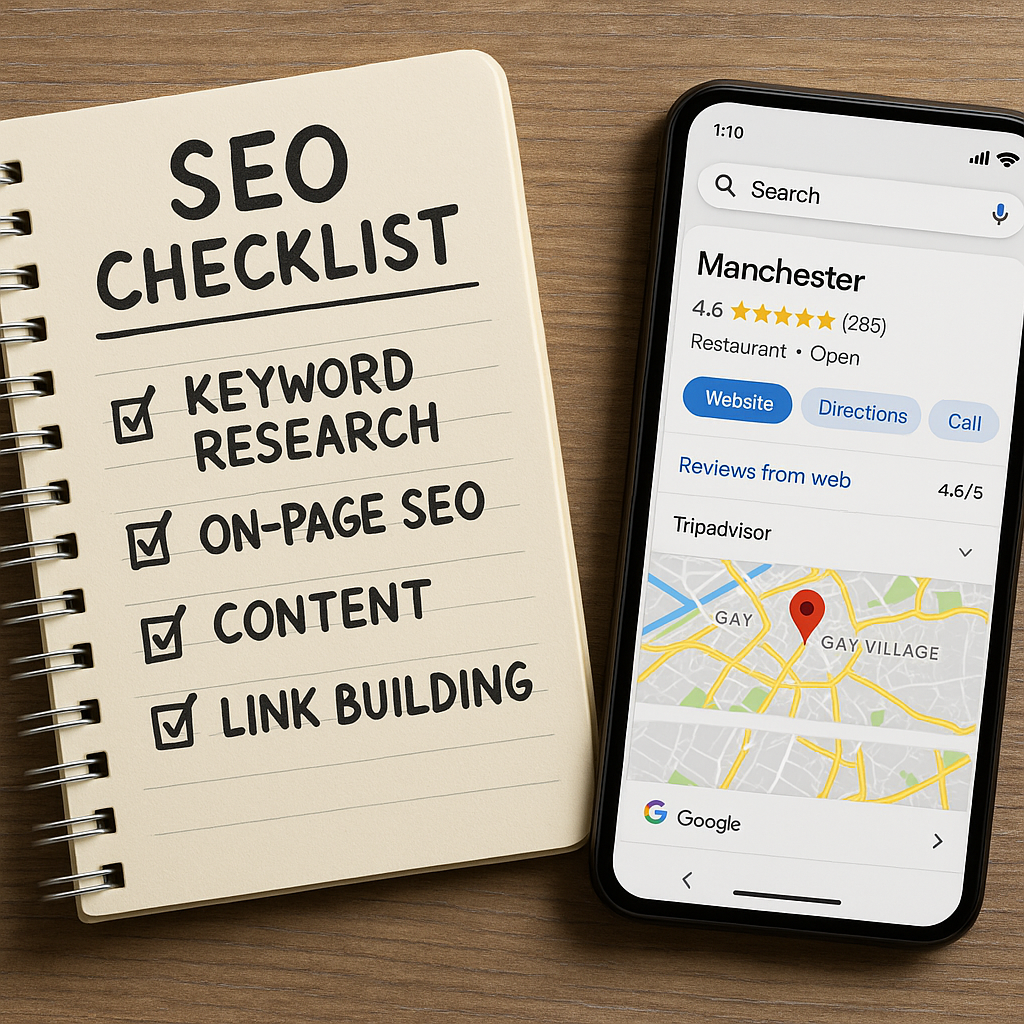
Here’s a practical checklist to get your small business’s website in top shape:
1. Ensure Your Website is Mobile-Friendly
With an increasing number of users accessing websites via mobile devices, a mobile-friendly site is essential. Use Google’s Mobile-Friendly Test to check your site’s compatibility.
2. Improve Site Speed
Site speed is a critical ranking factor. Use tools like Google PageSpeed Insights to evaluate your site’s loading times and receive suggestions for improvement. Aim for a loading time of under three seconds.
3. Use HTTPS
Ensure that your website uses HTTPS rather than HTTP, as this provides a secure connection for users. Google prioritises secure sites in search rankings, making this a vital step in your technical SEO strategy.
4. Create an XML Sitemap
An XML sitemap helps search engines understand the structure of your website. It’s essential for guiding bots through your content. Use tools like XML-sitemaps.com to generate a sitemap and submit it to Google Search Console.
5. Optimise Robots.txt
Your robots.txt file instructs search engines on how to crawl your site. Ensure it’s correctly configured to allow search engines to access important pages while blocking irrelevant content.
6. Fix Broken Links
Broken links can harm your site’s credibility and user experience. Regularly check for broken links using tools like Screaming Frog and fix or remove them promptly.
7. Implement Structured Data
Structured data helps search engines understand your content better, leading to enhanced listings in search results. Use schema markup to improve your website’s visibility. For guidance, refer to schema.org.
8. Ensure Proper URL Structure
URLs should be concise, descriptive, and include relevant keywords. Avoid using complex parameters and ensure that your URLs are easy to read for both users and search engines.
9. Conduct Regular Audits
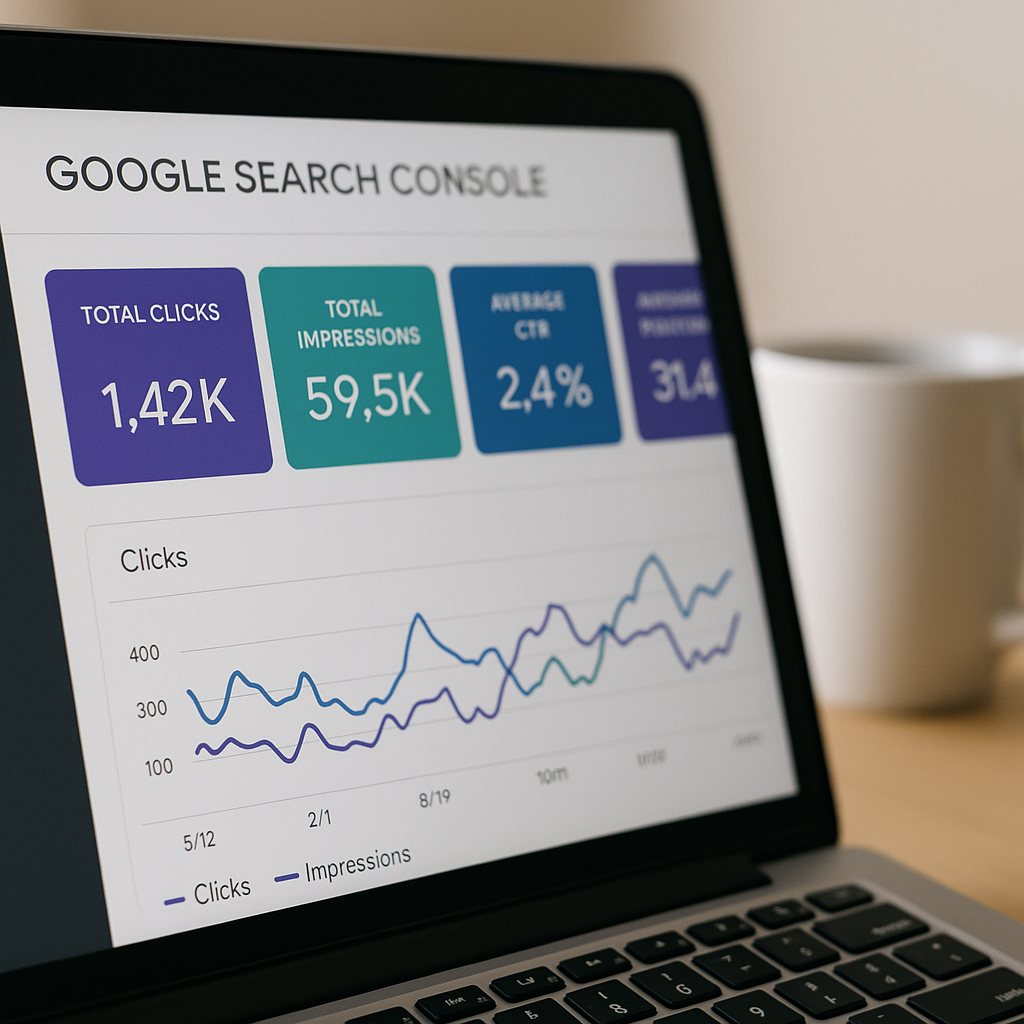
Regularly auditing your site for technical SEO issues is essential. Use tools like Google Search Console to monitor your site’s performance and fix any identified issues.
Key Takeaways
| Key Aspect | Importance |
|---|---|
| Mobile-Friendly Design | Enhances user experience and ranking |
| Site Speed | Critical for user retention and SEO rankings |
| HTTPS Security | Builds trust and improves search visibility |
| XML Sitemap | Helps search engines crawl your site better |
| Structured Data | Enhances search result appearance |
Frequently Asked Questions
Q: How often should I conduct a technical SEO audit?
A: It's advisable to conduct a technical SEO audit at least once every six months or after significant updates to your website.
Q: Can I handle technical SEO myself?
A: Yes, many aspects of technical SEO can be managed by small business owners with some research and the right tools.
Q: What tools do you recommend for technical SEO?
A: Tools like Google Search Console, SEMrush, and Screaming Frog are excellent for managing technical SEO.
Next Steps
Ready to enhance your website’s technical SEO? Contact us at Quantaum for expert guidance or explore our web development services to elevate your online presence.
Related insights
Ready to grow traffic?
Quantaum helps UK businesses build fast, secure websites that rank and convert. Let’s talk.
Contact Quantaum →